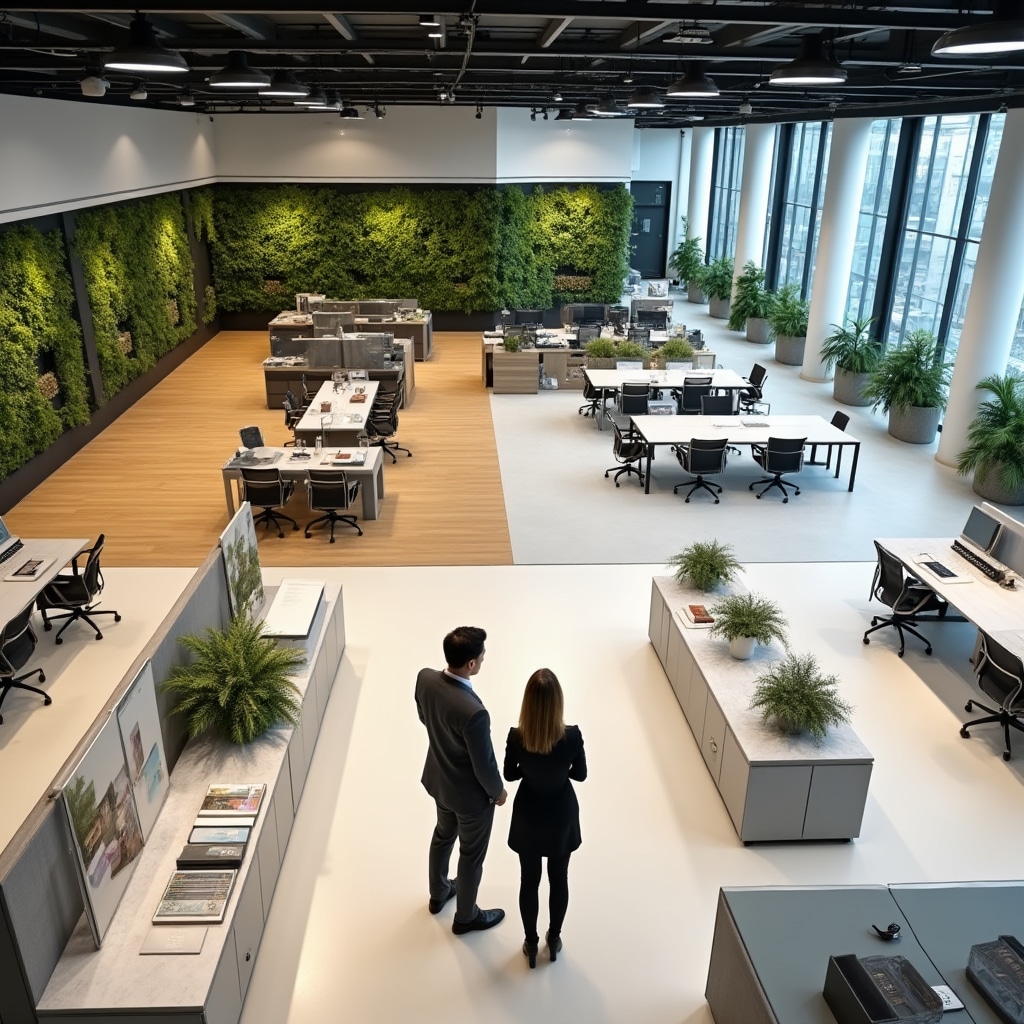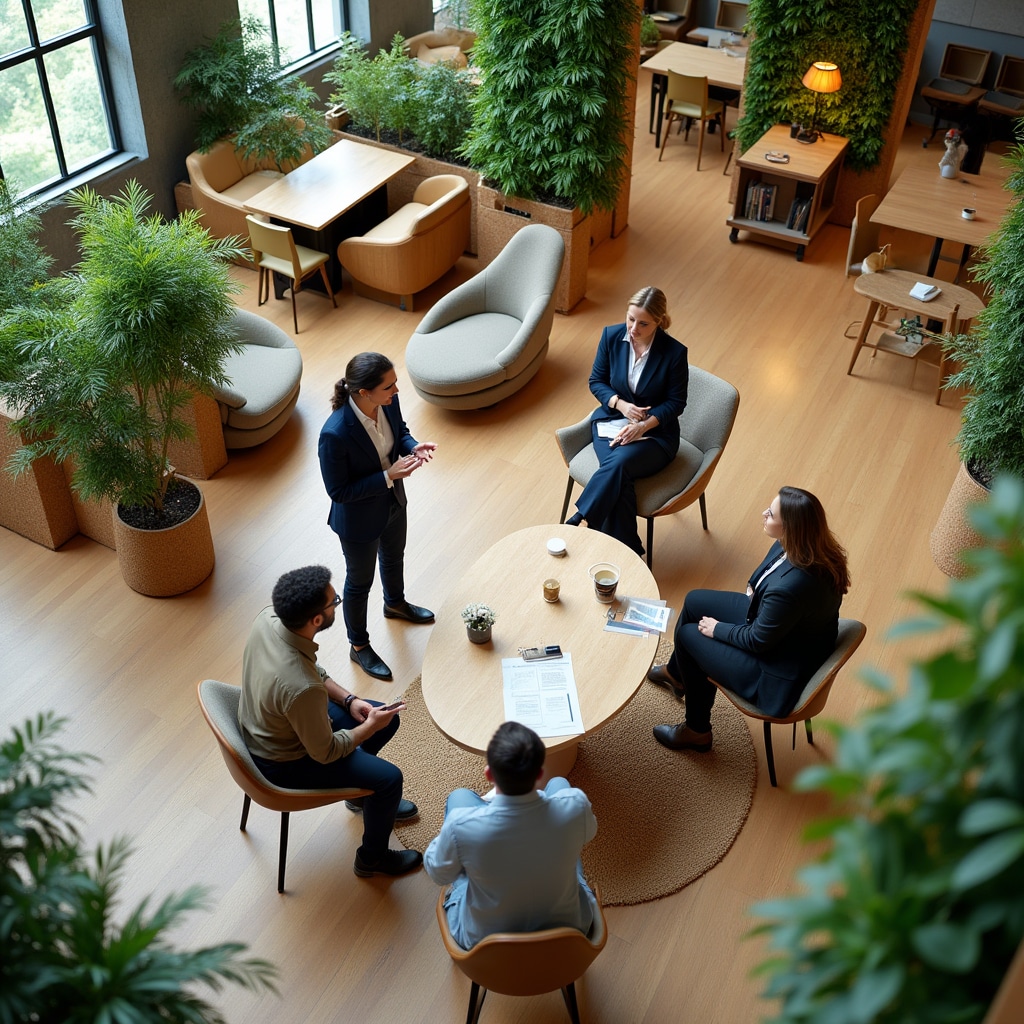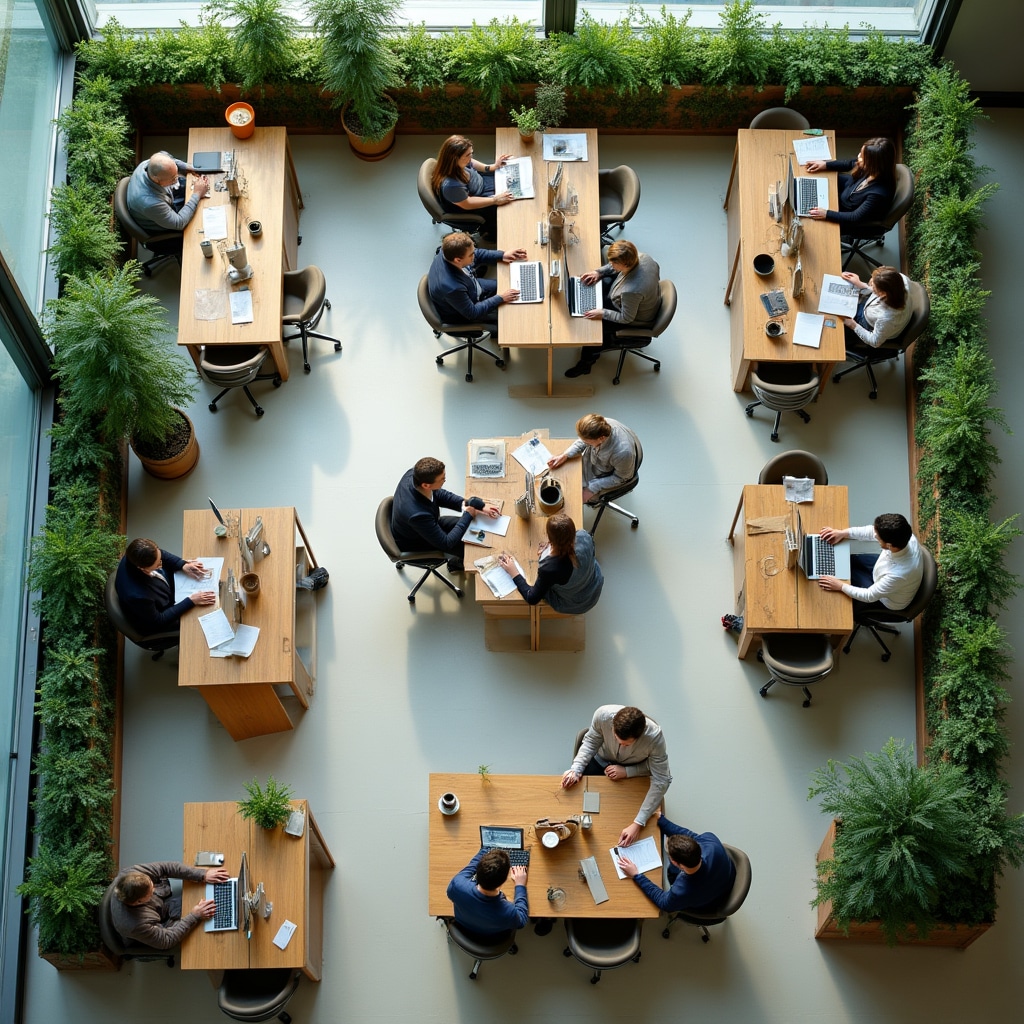
We transform commercial properties into adaptive environments where function flows seamlessly between uses. Through precise spatial planning and architectural intelligence, we create interiors that respond to the changing rhythms of modern business.
Start Your ProjectEvery square meter holds potential. We uncover it through systematic analysis, creative spatial solutions, and a deep understanding of how environments shape human activity.
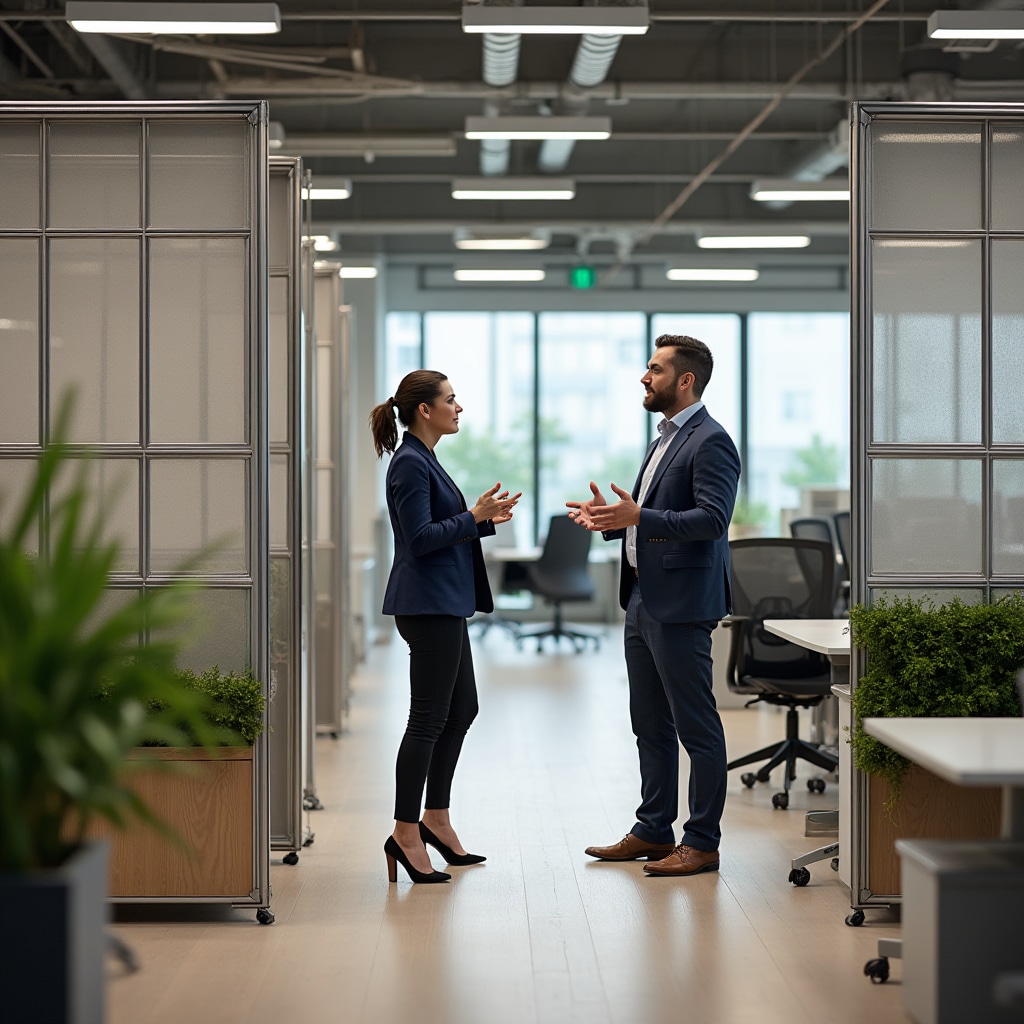
Flexible floor plans that accommodate multiple functions without structural compromise. Spaces configured to shift between collaborative work, focused tasks, client presentations, and social interaction through intelligent zoning and modular elements.
Commercial properties designed to serve diverse purposes throughout the day and week. We analyze traffic patterns, usage cycles, and functional requirements to create environments that maximize spatial efficiency without sacrificing aesthetic quality.
Movement patterns studied and optimized for intuitive navigation. Circulation routes that feel natural, transition zones that guide behavior, and spatial hierarchies that communicate purpose through architectural language rather than signage.
Light, color, texture, and proportion calibrated to influence mood and productivity. We design atmospheres that energize, calm, inspire, or focus attention based on the intended use of each zone within your commercial space.
Interiors structured to accommodate technological evolution and changing business models. Infrastructure planned for expansion, modification, and adaptation without requiring major reconstruction or operational disruption.
Deep familiarity with local building regulations, architectural heritage considerations, and the unique characteristics of commercial properties throughout the Buenos Aires metropolitan area. Context-sensitive solutions that respect existing structures.
A journey from traditional commercial planning to comprehensive adaptive workspace methodology
Established our consultancy with a focus on rethinking commercial interior spaces. Early projects centered on small office renovations, where we developed our core philosophy: every space contains multiple possibilities waiting to be discovered through careful analysis.
Expanded into larger commercial properties and multi-tenant buildings. Developed systematic approaches to spatial analysis, usage pattern mapping, and adaptive design frameworks. Began incorporating environmental psychology principles into our planning process.
Introduced comprehensive multi-use optimization strategies. Created modular design systems allowing spaces to transform between functions. Pioneered flexible workspace solutions that responded to the evolving nature of commercial activity in Buenos Aires.
Evolved into full-spectrum adaptive workspace design. Now providing strategic planning for commercial properties that must serve multiple purposes, accommodate diverse activities, and remain relevant as business needs shift over time.
Explore how we transform commercial environments into adaptive, multi-functional spaces
The commercial landscape demands environments that can evolve without requiring complete reconstruction
Traditional commercial interiors were designed for a single, permanent function. When business needs changed, entire spaces required expensive renovation. Walls were demolished, systems rerouted, and operations disrupted for months. This approach no longer serves modern commerce.
Today's businesses need environments that can accommodate morning team meetings, afternoon client presentations, evening networking events, and weekend workshops—all within the same physical footprint. The space itself must be as flexible as the activities it houses.
We design commercial interiors as systems rather than fixed layouts. Every element—from partition placement to lighting configuration to furniture selection—is chosen for its ability to support multiple scenarios. The result is an environment that transforms to meet changing needs without requiring structural modification.
This approach reduces long-term costs, minimizes operational disruption, and extends the useful life of your commercial property. Spaces remain relevant as your business evolves, technology advances, and market conditions shift.