Our Perspective on Adaptive Space

How we think about commercial interiors, spatial flexibility, and the evolving relationship between environment and activity

Space as Living System

We view commercial interiors not as static containers but as dynamic systems that breathe, adapt, and respond to the people who inhabit them. Just as organisms evolve to suit their environment, spaces should evolve to suit their use.

This perspective shapes every decision we make—from the placement of a partition wall to the selection of lighting fixtures. We ask: how will this element support multiple scenarios? How can it transform without requiring replacement?

Function Follows Flow

Traditional design principles suggested form follows function. We propose something different: function follows flow. The way people move through space, the rhythms of their activities, the natural progression from one task to another—these patterns should determine spatial organization.

When we observe how teams actually work, how clients naturally navigate environments, how energy shifts throughout the day, we discover the true requirements of a space. Design becomes a response to observed reality rather than imposed assumption.

Core Design Principles

Layered Flexibility

Adaptability exists at multiple scales simultaneously. Furniture can be rearranged daily. Partitions can be reconfigured monthly. Infrastructure can accommodate new technology annually. Each layer operates independently while contributing to overall system flexibility.

Intuitive Wayfinding

Architectural elements should guide behavior without explicit instruction. Ceiling heights signal gathering versus focus zones. Material transitions indicate functional boundaries. Light quality suggests appropriate activities. The space itself communicates its intended use.

Balanced Stimulation

Environments should offer varied sensory experiences without overwhelming occupants. Visual complexity in some areas, simplicity in others. Acoustic variety that supports both collaboration and concentration. Textural richness balanced with visual calm.

Timeless Adaptability

Truly adaptive spaces transcend temporary trends while remaining relevant across decades. We achieve this through classic proportions, quality materials, and systems designed for modification rather than replacement. Sustainability through longevity.

Contextual Integration

Every space exists within a larger context—architectural, cultural, urban. Our designs respect existing structures, neighborhood character, and local building traditions while introducing contemporary functionality. New interventions enhance rather than erase what came before.

Human-Centered Metrics

We measure success by how spaces make people feel and perform, not by adherence to design conventions. Does the environment support wellbeing? Does it facilitate desired behaviors? Does it feel appropriate for its purpose? Human experience guides evaluation.

Our Design Process

Discovery & Analysis

We begin by understanding your current situation, future aspirations, and the specific challenges you face. Site analysis reveals spatial opportunities and constraints. Stakeholder interviews uncover needs that may not be immediately obvious. Usage pattern observation shows how space is actually inhabited versus how it was intended to be used.

Concept Development

Armed with research insights, we develop spatial concepts that address identified needs while anticipating future requirements. Multiple scenarios are explored. Options are tested against different use cases. The most promising directions are refined through iterative sketching and three-dimensional modeling.

Detailed Planning

Selected concepts evolve into comprehensive plans. Every dimension is calculated for optimal function. Material selections balance aesthetic appeal with practical durability. Lighting schemes are designed for multiple scenarios. Furniture specifications ensure flexibility without compromising comfort or quality.

Implementation Guidance

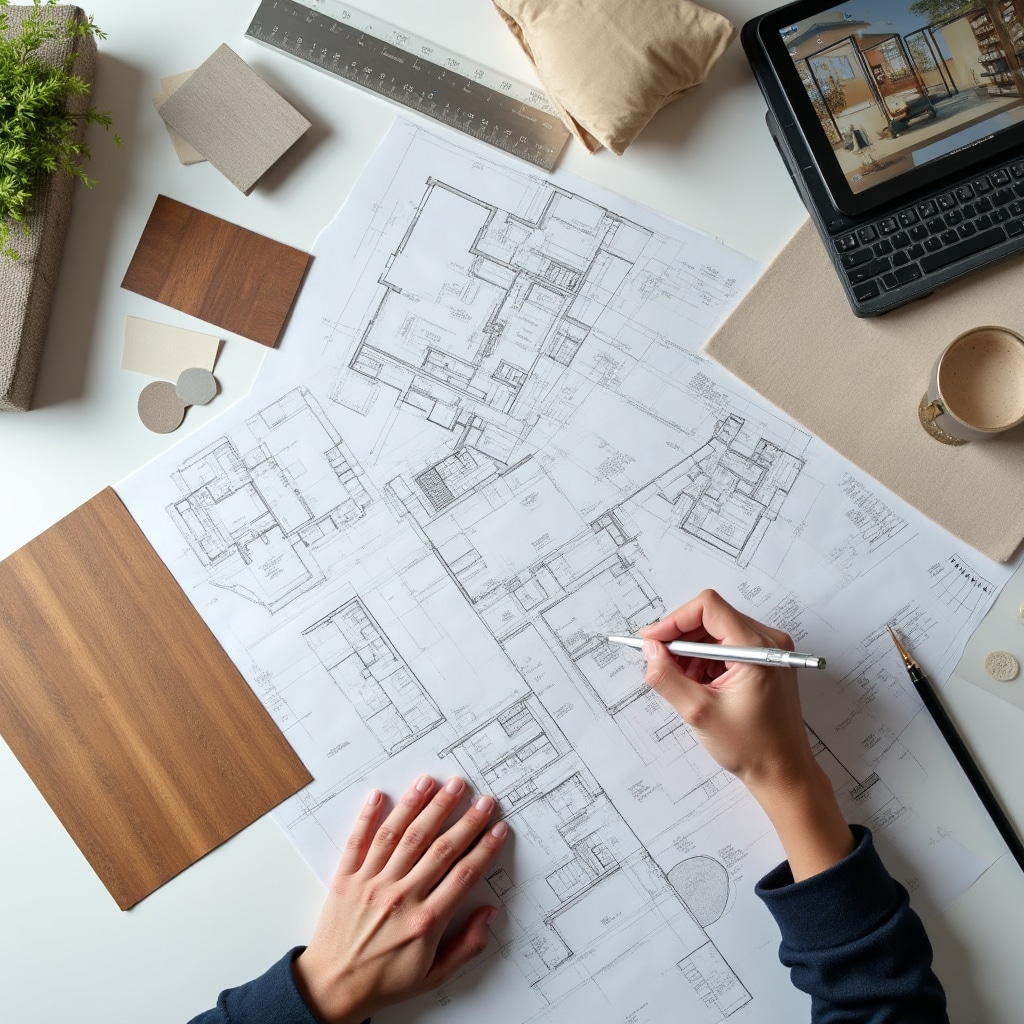
We provide detailed documentation that allows contractors and builders to execute the design with precision. Technical drawings specify exact measurements. Material samples ensure color and texture accuracy. Installation sequences are planned to minimize disruption. Quality checkpoints are established throughout construction.

Post-Occupancy Evaluation

After spaces are occupied, we observe how they perform in real-world conditions. Are people using zones as intended? Do circulation patterns flow naturally? Are there unexpected challenges or opportunities? This feedback informs future projects and allows for minor adjustments that enhance functionality.

Why Buenos Aires Context Matters

Commercial properties in Buenos Aires present unique opportunities and constraints. Historic buildings with high ceilings and ornate details require sensitive intervention. Modern structures offer clean slates but demand creative solutions to avoid sterility.

Local building codes, neighborhood character, and cultural expectations all influence design decisions. We navigate these considerations while maintaining our commitment to spatial adaptability and functional excellence.

Understanding the local context allows us to create spaces that feel both contemporary and appropriate—interiors that could only exist in Buenos Aires yet serve universal human needs for flexible, inspiring work environments.
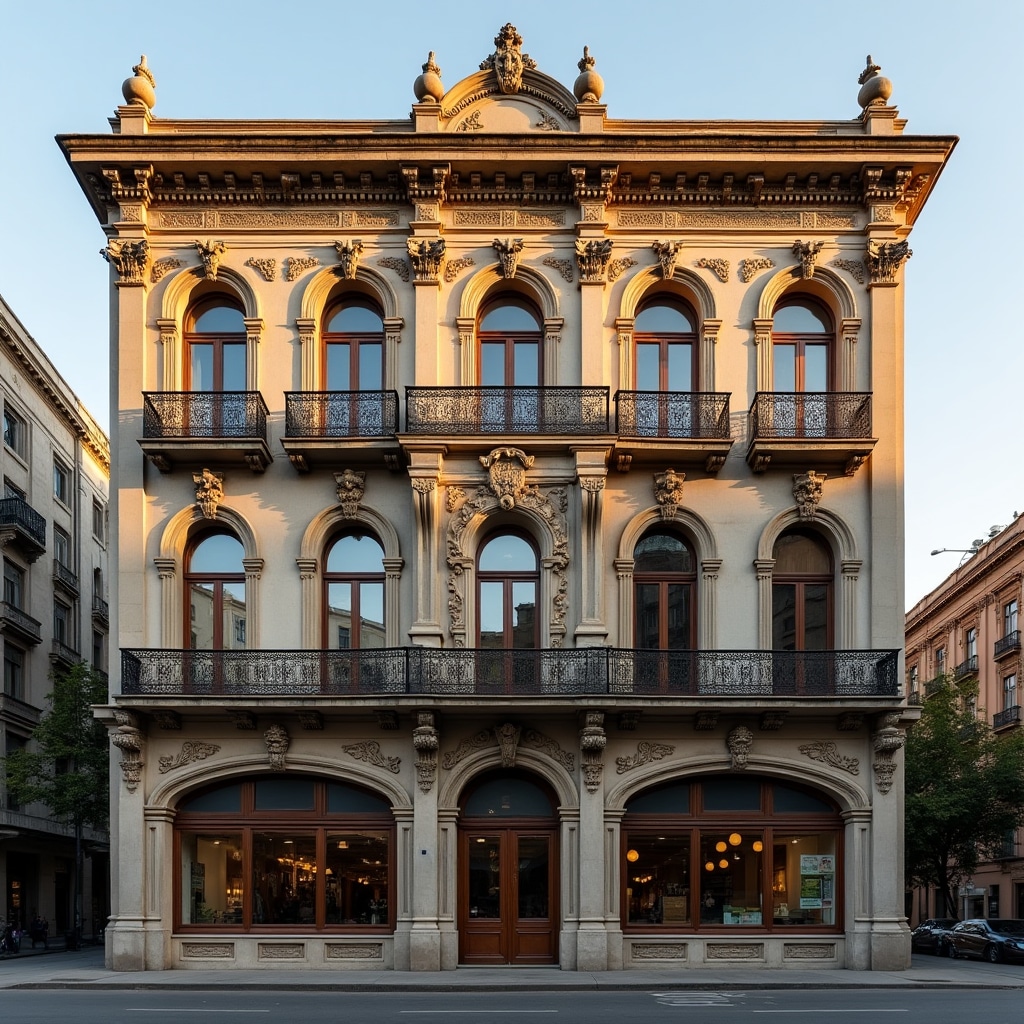
Historic Buenos Aires building exterior showing classic architectural details
Close-up of architectural planning details and material samples