Thematic Pillars

Five foundational themes that structure our thinking about commercial space design and guide every project decision

Spatial Fluidity

Boundaries between functions should be permeable, not absolute. A conference room that becomes a training space. A reception area that transforms into an event venue. A private office that opens to collaborative workspace.

We achieve fluidity through movable partitions, flexible furniture systems, and infrastructure designed to support multiple configurations. Technology integration allows spaces to shift character through lighting, acoustic treatment, and environmental control.

The goal is not simply multi-functionality but seamless transition—spaces that feel purpose-built for each use case rather than compromised for all of them.
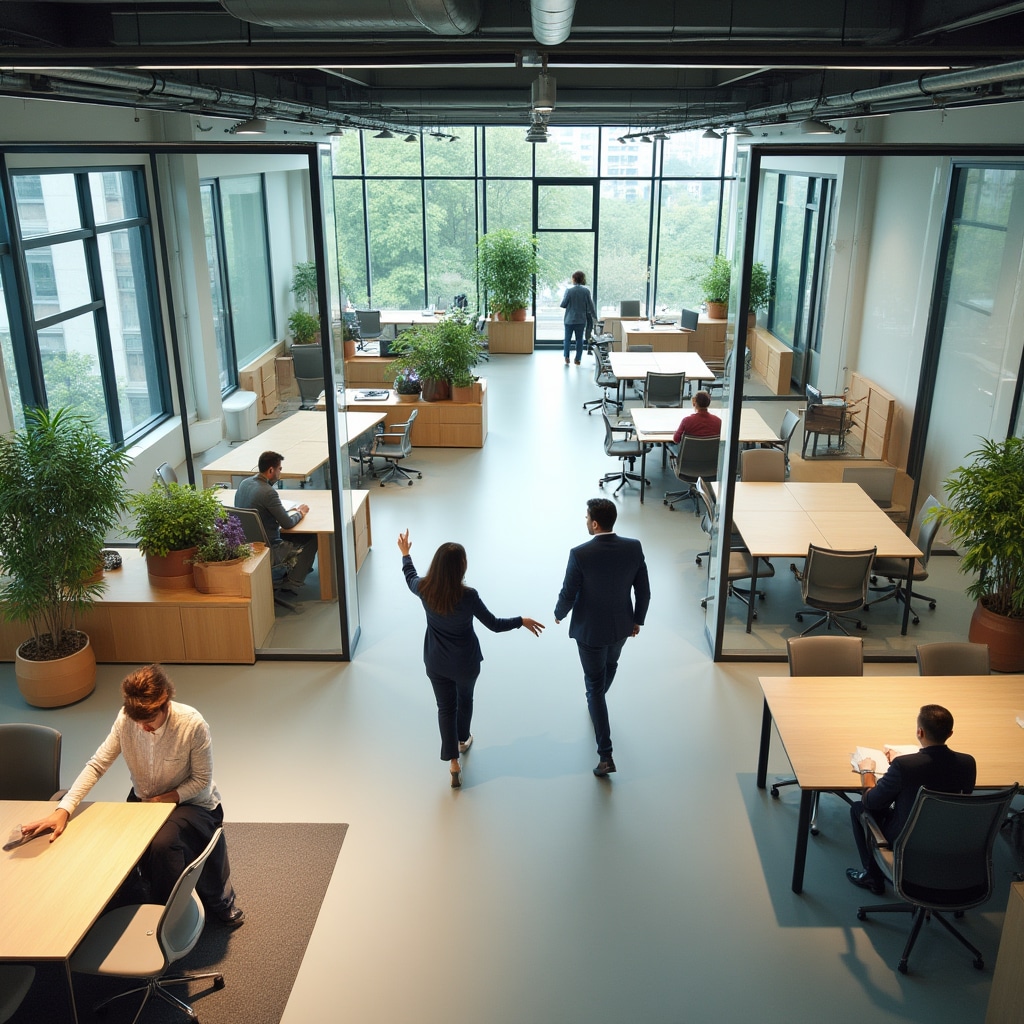
Open floor plan showing flexible spatial zones with movable partitions
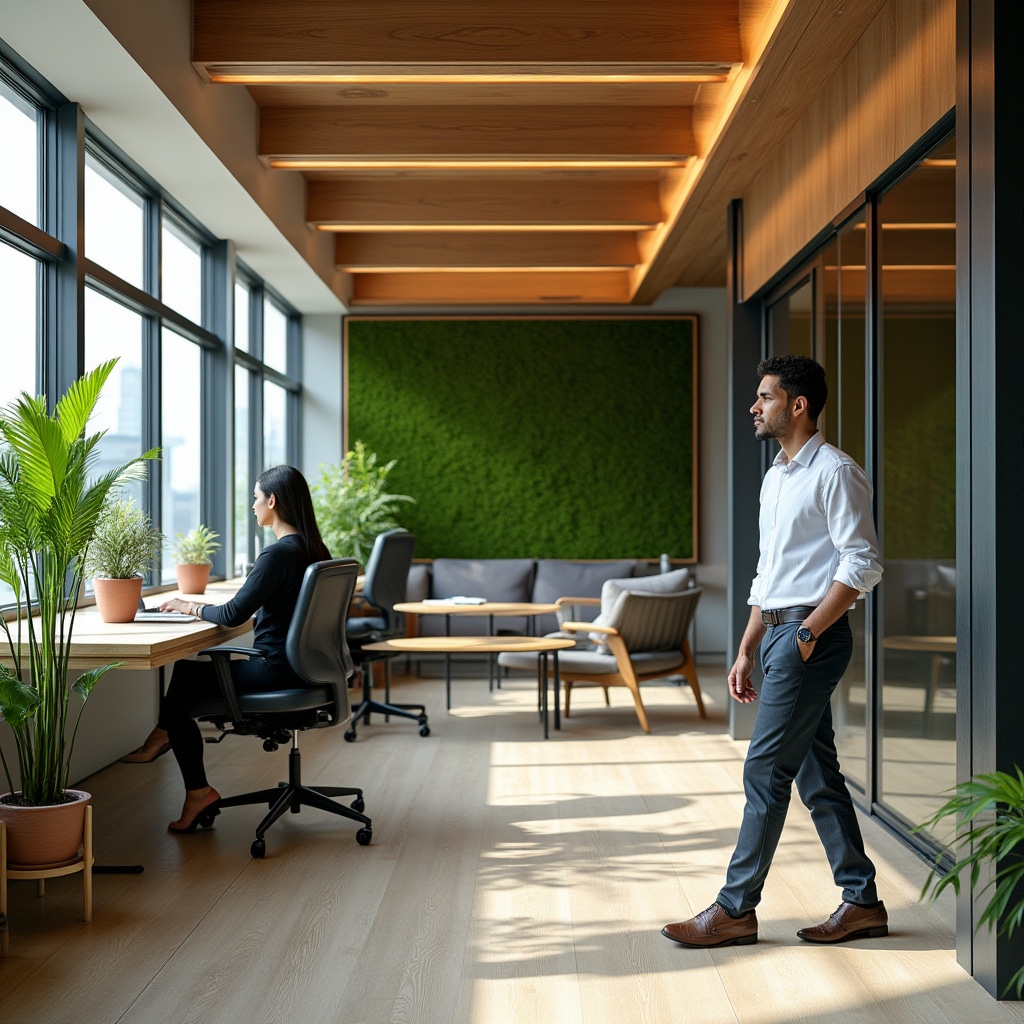
Workspace designed with comfortable proportions and human-centered details

Human Scale & Proportion

Commercial spaces often prioritize efficiency over comfort, resulting in environments that feel institutional rather than inviting. We insist on human-scaled proportions even within large commercial footprints.

Ceiling heights, room dimensions, and furniture sizing are calibrated to human dimensions and perception. Large open areas are broken into smaller zones through strategic placement of architectural elements. Transition spaces provide psychological buffer between different functional areas.

When spaces feel appropriately sized for human occupation, people naturally relax, engage more fully, and perform more effectively in their work.

Material Honesty

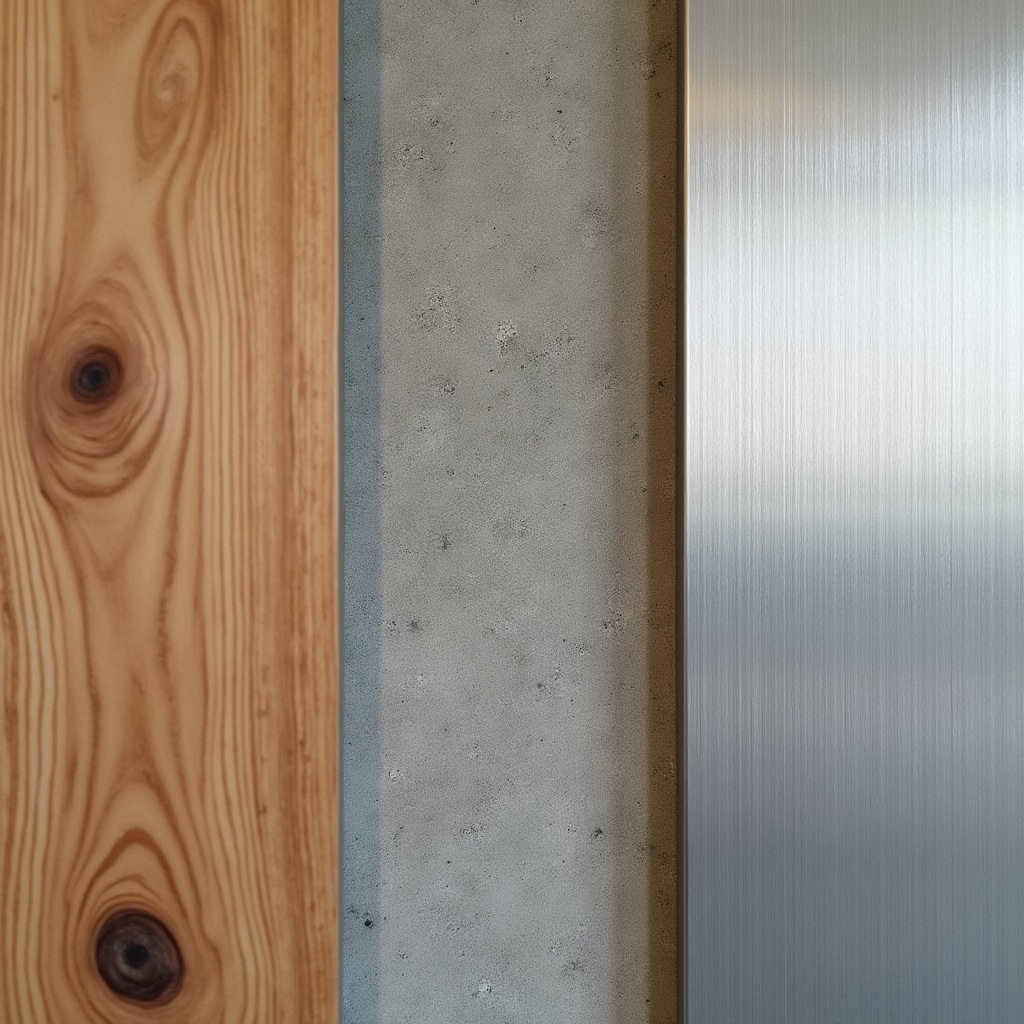
We select materials based on their inherent qualities rather than their ability to imitate something else. Wood that looks and feels like wood. Concrete that expresses its structural nature. Glass that celebrates transparency.

This approach creates interiors with tactile richness and visual authenticity. Materials age gracefully rather than deteriorating. Maintenance becomes simpler because surfaces don't pretend to be what they're not.

Honest materiality also supports sustainability—durable materials used appropriately last longer and require less frequent replacement than cheaper alternatives masquerading as premium finishes.

Close-up of natural materials showing wood, concrete and metal textures
Interior space with abundant natural light from large windows

Light as Design Element

Natural light profoundly affects human wellbeing, productivity, and spatial perception. We treat daylighting as a primary design consideration rather than an afterthought.

Window placement, interior glazing, reflective surfaces, and space planning all work together to distribute natural light deep into floor plates. Artificial lighting complements rather than replaces daylight, with systems that adjust color temperature and intensity throughout the day.

Different zones receive lighting appropriate to their function—bright, energizing light for collaborative areas, softer illumination for contemplative spaces, dramatic accent lighting for presentation zones.

Temporal Adaptability

Spaces must serve not only current needs but future requirements that may not yet be fully defined. We design for change across multiple time scales.

Daily adaptability through movable elements. Weekly reconfiguration for different activities. Monthly adjustment as teams grow or shrink. Annual evolution as business models shift. Decadal transformation as entire industries change.

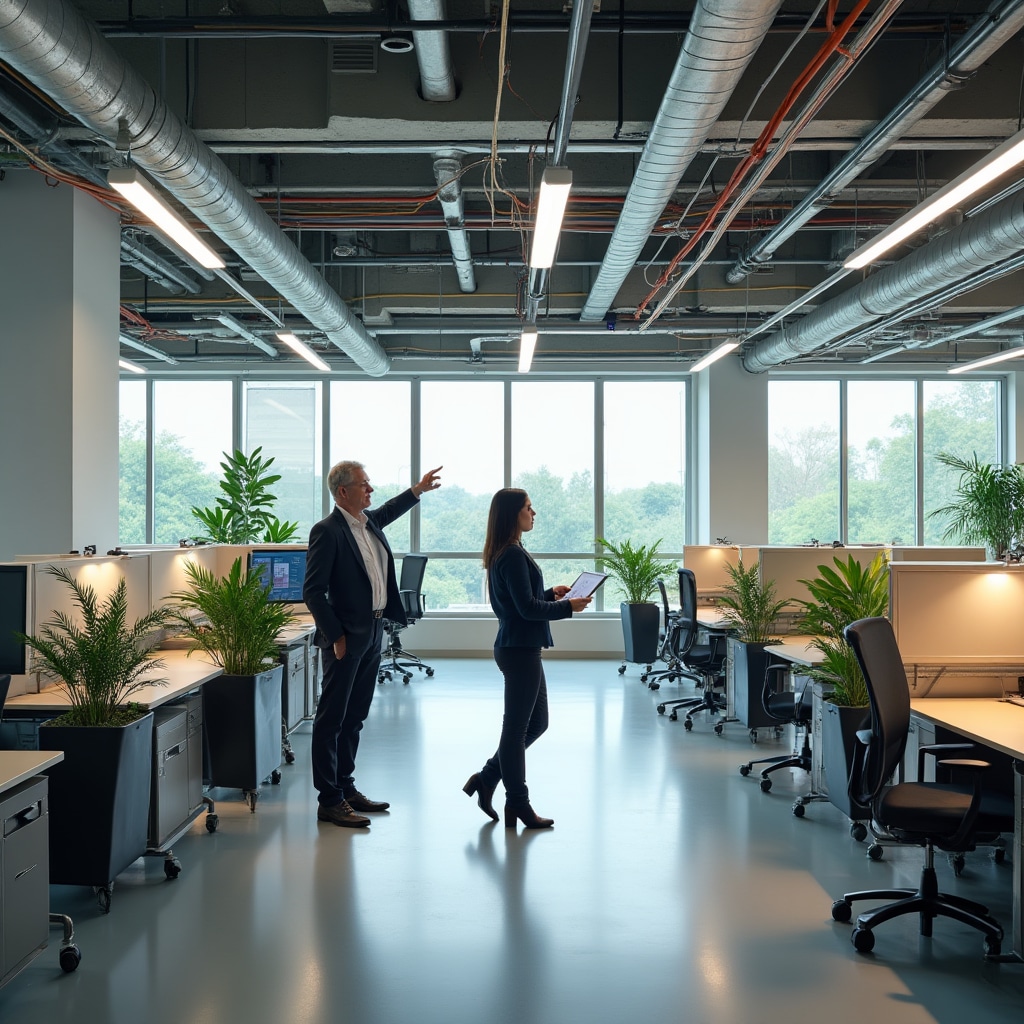
Infrastructure is over-provisioned. Structural systems anticipate future modifications. Material selections favor durability and timelessness over temporary trends. The result is commercial property that remains valuable and relevant across decades of use.

Modular workspace showing flexible infrastructure and reconfigurable elements

How These Pillars Work Together

These five themes are not isolated concepts but interconnected principles that inform each other. Spatial fluidity requires honest materials that can be reconfigured without damage. Human scale proportions depend on thoughtful lighting to feel comfortable. Temporal adaptability needs material durability to remain viable over time.

Every design decision is evaluated against all five pillars. Does this partition system support spatial fluidity? Are these proportions human-scaled? Do these materials express their true nature? How does this lighting scheme enhance the space? Will this infrastructure support future adaptation?

When all five themes align, the result is commercial interior that feels coherent, purposeful, and enduring—spaces that serve their users exceptionally well while retaining the flexibility to evolve as needs change.